Blog Post
February is Therapeutic Recreation Month. Join us in acknowledging and celebrating our great Recreation Therapy team and staff who provide this service.
Virtual Reality
Therapeutic Recreation in action focuses on creative, client-centred, and meaningful care. At Stanton Territorial Hospital, Recreation Therapist Carey Fowler uses Virtual Reality (VR) simulation to support clients of all ages connect with meaningful leisure in an innovative and engaging way.
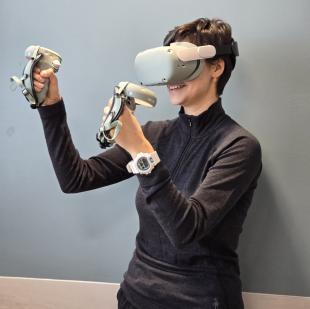
VR is flexible and can be used in a variety of care settings, helping clients achieve their individual goals. Using VR as a therapeutic recreation intervention, staff can support clients with cognitive and physical stimulation, pain management and relaxation, coping skills like mindfulness and meditation, trying new leisure activities, and increasing their social skills.
From flight simulation games that spark reminiscing and cognitive stimulation, to art-based experiences that encourage positive engagement; from brain games that support attention, motor skills, perseverance and self-regulation, to developing new skills, problem-solving, and spatial awareness, there are a wide range of positive outcomes when using VR as a therapeutic intervention.
Creative Expressions Group
Creative arts are a way for people to express themselves. For residents at Łıwegǫ̀atì Long Term Care, it’s also a creative therapeutic approach. The Creative Expressions Group is a therapeutic recreation program facilitated by Recreation Therapist Tasia Walsh that runs weekly at Łıwegǫ̀atì Long Term Care in Yellowknife, offering residents an opportunity to engage in arts and creative activities like painting, drawing, printing, mixed media projects, and more.
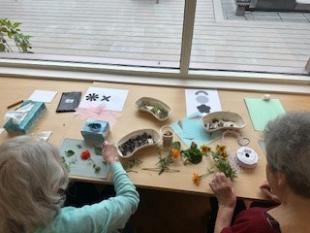
Activities are adapted using step-by-step cues, visual examples, and modified tools to ensure accessibility for residents with varying abilities.
The group provides residents with essential peer connection and social interaction, creating an environment where they participate in a previously-enjoyed or new leisure activity and experience meaningful engagement, physical benefits like improved fine motor skills, coordination and range of motions, improved mood, increased self-esteem, and other benefits. Artwork is displayed in the home, further reinforcing identity, accomplishment, and validation.
Community Leisure Integration Program
Empowering clients to overcome barriers and reintegrate into their preferred leisure activity is the focus of the Community Leisure Integration Program, led by Recreation Therapist Carey Fowler at Stanton Territorial Hospital.
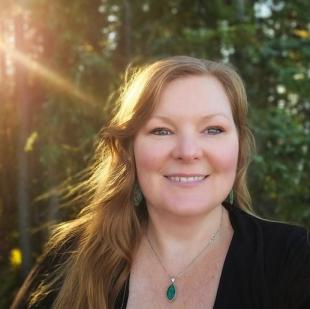
The Community Leisure Integration Program supports clients in hospital to either learn a new leisure activity or be reintroduced to one they previously enjoyed. Through one-on-one sessions, Carey works alongside clients to motivate and boost confidence, decrease barriers, and build independence so clients can successfully engage in community leisure programs on their own.
Staff support is gradually reduced as clients gain their confidence and feel comfortable, showing increased self-confidence and self-worth, improved physical health, new social connections and reduced isolation, and greater independence.